


Key Takeaways
Contents
- 1 Key Takeaways
- 2 Importance of Waste Water System Upgrades
- 3 Key Components of Waste Water System Upgrades
- 4 Benefits of Modernized Waste Water Systems
- 5 Challenges in Waste Water System Upgrades
- 6 Technological Innovations in Waste Water Management
- 7 Case Studies of Successful Waste Water System Upgrades
- 8 Conclusion
- 9 FAQS
- 9.1 What are the key challenges faced by water utilities when upgrading water infrastructure, particularly in the context of wastewater treatment plants and the handling of recycled water?
- 9.2 What specific factors contribute to the challenges faced by water utilities during upgrades to wastewater treatment plants and the integration of recycled water systems?
- 9.3 How do wastewater treatment plants play a role in addressing the challenges faced by water utilities when implementing upgrades to their infrastructure, especially in relation to maintaining clean watersheds and the overall functionality of water systems?
- 9.4 What factors can influence the efficiency of upgrades to wastewater treatment plants and how do these upgrades reinforce the overall functionality of a wastewater facility?
- 9.5 How do different factors impact the effectiveness of upgrades to wastewater treatment plants, and in what ways do these upgrades reinforce the overall functionality of water systems?
- 9.6 How can innovations in technology streamline upgrades for wastewater treatment plants?
- 9.7 How can effective management strategies improve the operational efficiency of wastewater treatment plants during the upgrade processes?
- 9.8 What role do regulatory changes play in the upgrade processes for wastewater treatment plants?
- 9.9 What are the benefits of investing in modernizing wastewater treatment plants for local communities?
- 9.10 What are some best practices for optimizing the performance of wastewater treatment plants during upgrade projects?
- Significance of Wastewater System Enhancements
- Essential Elements of Waste Water System Improvements
- Advantages of Updated Waste Water Systems
- Obstacles in Waste Water System Enhancements
- Technological Advancements in Waste Water Management
- Examples of Successful Waste Water System Enhancements
Importance of Waste Water System Upgrades
Waste water system upgrades play a crucial role in enhancing the overall functionality of water infrastructure. These improvements focus on modernizing wastewater treatment facilities to ensure effective water and wastewater treatment processes. By investing in advanced wastewater management techniques, communities can promote wastewater reuse, minimizing environmental impact and promoting clean water access. Upgraded sewage systems significantly reduce water pollution risks, helping to safeguard public health. Integrating innovative technologies into existing wastewater treatment systems also enhances operational efficiency and reliability, ultimately leading to a more sustainable approach to managing wastewater.
Enhancing Environmental Protection
Waste water system upgrades play a crucial role in enhancing environmental protection by significantly improving water quality. Upgraded wastewater treatment plants can effectively process human waste and hazardous waste, reducing the discharge of untreated sewage into local water bodies. This minimizes the release of harmful contaminants that can pollute ecosystems and threaten aquatic life. With modern technologies in place, these plants can also facilitate water reuse, ensuring that treated water is safe for various applications, thereby conserving water resources.
The role of a robust sewer system is critical in managing the flow of sewage and preventing the overflow of raw sewage during heavy rainfall or other emergencies. By investing in waste water system upgrades, municipalities can create a more resilient infrastructure capable of handling increased volumes of waste. These upgrades not only protect the environment but also enhance the overall quality of life for communities by reducing the risk of sewage-related health issues and preserving natural habitats.
Improving Public Health and Safety
Waste water system upgrades play a crucial role in ensuring public health and safety by improving sewage treatment processes. Upgraded sewer systems help prevent the contamination of local water resources, which is vital for maintaining safe water supplies. Enhanced treatment technologies reduce the risk of harmful pathogens in treated waste water, ensuring that drinking water meets the standards set by the Clean Water Act. Investments in these upgrades also contribute to more effective handling of household hazardous waste, further protecting community health.
The integration of clean water state revolving funds has provided essential financial support for municipalities pursuing waste water system upgrades. Access to these funds facilitates the implementation of advanced water treatment solutions, ultimately leading to safer drinking water for residents. By ensuring that clean water is consistently available, communities bolster public health outcomes and enhance overall quality of life. Upgrades to waste water systems thus serve as a foundational element of urban infrastructure that safeguards health and promotes environmental sustainability.
| Upgrade Type | Benefits | Investment Impact |
|---|---|---|
| Advanced Filtration Systems | Reduces harmful pathogens in wastewater | Increased safety of drinking water |
| Biological Treatment Technologies | Improves nutrient removal | Enhances treatment efficiency |
| Automated Monitoring Systems | Allows real-time tracking of water quality | Enables quick response to contamination issues |
| Hazardous Waste Facilities | Safely manages household hazardous waste | Protects community health from pollution |
Key Components of Waste Water System Upgrades
Upgrading waste water systems involves several key components that are crucial for effective management and environmental protection. Treatment plant enhancements focus on optimizing processes to ensure contaminants are removed efficiently, thus reducing environmental pollution. Regular maintenance and repairs of existing infrastructure are vital to prevent leaks that can contaminate groundwater and affect potable water supplies. Pipe replacement and rehabilitation enhance the integrity of stormwater systems, crucial for proper stormwater management and minimizing water runoff. Funding options like the Clean Water State Revolving Fund help finance these essential upgrades, addressing the growing issue of water stress and improving overall public health. These upgrades not only support the recycling of water but also significantly reduce the environmental impact associated with outdated waste water systems.
Treatment Plant Enhancements
Upgrading wastewater treatment systems is crucial for enhancing the efficiency of waste water system upgrades. Modernized treatment plants can significantly improve the capacity to dispose of sewage and stormwater, addressing the pressing challenge of water scarcity. By investing in upgraded water infrastructure, municipalities can ensure that treated water meets higher safety and environmental standards. Enhanced facilities contribute to sustainable management of local water resources, providing communities with a reliable supply of clean water infrastructure.
Integrating advanced technologies into wastewater infrastructure is essential for optimizing operations. Upgrading wastewater treatment can lead to more efficient processes, minimizing energy consumption and operational costs. Although upgrading wastewater treatment systems is often expensive, the long-term benefits include reduced maintenance costs and fewer compliance violations. Upgraded wastewater treatment not only meets regulatory demands but also enhances the quality of water released back into the environment, ultimately benefiting public health and ecosystem vitality.
Pipe Replacement and Rehabilitation
Aging water infrastructure poses significant challenges to effective sewage system improvements. The need for pipe replacement and rehabilitation is vital as it addresses wastewater system deficiencies that hinder the overall performance of wastewater treatment infrastructure. Upgraded wastewater treatment plants can reduce environmental impact while enhancing wastewater disposal capacity. By investing in these upgrades, communities can ensure that their wastewater services meet the clean water needs of their residents.
Effective pipe replacement strategies not only involve the physical renewal of the wastewater facilities but also incorporate sustainable water infrastructure practices. Implementing modern materials and techniques during waste water system upgrades contributes to long-term reliability and efficiency. A focus on rehabilitating existing systems can maximize the utility of current resources, ultimately leading to improved wastewater treatment and a healthier environment for all.
| Pipe Type | Material | Service Life (Years) | Rehabilitation Method |
|---|---|---|---|
| Gravity Sewer | PVC | 50+ | Cured-in-Place Pipe (CIPP) |
| Pressure Pipe | HDPE | 50+ | Pipe Bursting |
| Stormwater Pipe | Reinforced Concrete | 70+ | Overlay Restoration |
| Combined Sewer | Cast Iron | 100+ | Epoxy Lining |
Benefits of Modernized Waste Water Systems
Modernized waste water system upgrades play a vital role in enhancing the efficiency and reliability of critical water infrastructure. These upgrades facilitate many wastewater treatment solutions that are essential in handling wastewater and improving wastewater quality. By integrating advanced technologies, new wastewater treatment methods foster sustainable water management practices, allowing communities to recycle wastewater for diverse uses. The updated sewage system components not only meet the clean water need but also reduce operational costs, making them more economically viable. Such improvements ensure that our water systems can effectively manage future demands while promoting environmental stewardship and public health.
- Improving water quality through advanced filtration and treatment processes
- Reducing energy consumption and operational costs
- Enhancing system resilience against weather-related disruptions
- Enabling water reuse for irrigation and industrial applications
- Promoting sustainable community development through efficient resource management
- Supporting regulatory compliance with updated environmental standards
- Increasing public awareness and engagement in water conservation efforts
Increased Efficiency and Reliability
Upgrading waste water systems significantly enhances the efficiency and reliability of public wastewater services. As water utilities implement new water solutions, the streamlined wastewater processes contribute to overcoming existing challenges. Improved wastewater plant installation fosters better performance, allowing wastewater personnel to manage operations more effectively. This modernized approach reduces the impact of water system deficiencies, ensuring that long-term wastewater management goals are met with increased precision and effectiveness.
Modern wastewater designs incorporate advanced technology, which results in enhanced reliability of treatment operations. Upgraded infrastructure not only promotes efficiency but also aligns with regulatory requirements, addressing the critical need for quo water infrastructure. As water utilities invest in waste water system upgrades, they can expect optimized performance, leading to significant improvements in the quality of treated water. This holistic approach ultimately reflects a commitment to sustainability and resilience in managing public wastewater challenges.
Cost Savings and Resource Management
Upgrading waste water systems can lead to significant cost savings for municipalities. Enhanced community wastewater treatment facilities often operate more efficiently, reducing energy consumption and operational costs. Investment in modern technologies allows for effective resource recovery, maximizing the utility of treated wastewater. These upgrades to utilities not only improve the wastewater treatment process but also create opportunities for water quality projects that can lead to further savings over time.
Resource management benefits from efficient waste water system upgrades, ensuring that clean water state standards are met. As wastewater plants implement advanced techniques, they contribute to a sustainable water infrastructure. Water experts emphasize the importance of strategic water resource recovery to minimize waste and optimize the use of treated water. Engaging in these upgrades while securing water infrastructure funding can enhance public wastewater treatment capabilities and ultimately lead to a healthier environment for communities.
Challenges in Waste Water System Upgrades
Budget constraints pose a significant challenge for waste water system upgrades, especially in the context of effective water management in the water industry today. Many municipalities struggle to secure necessary funding, which is crucial for meeting evolving water quality regulations. Traditional wastewater treatment methods may not suffice for modern needs, resulting in the necessity for innovative water treatment solutions that address diverse wastewater treatment categories. Managing sewage effectively while ensuring compliance with EPA wastewater treatment guidelines becomes increasingly complex as cumulative water issues arise. This situation is particularly pronounced in regions experiencing heightened industrial water needs, where wastewater discharge requires advanced strategies to mitigate environmental impact and enhance overall system reliability.
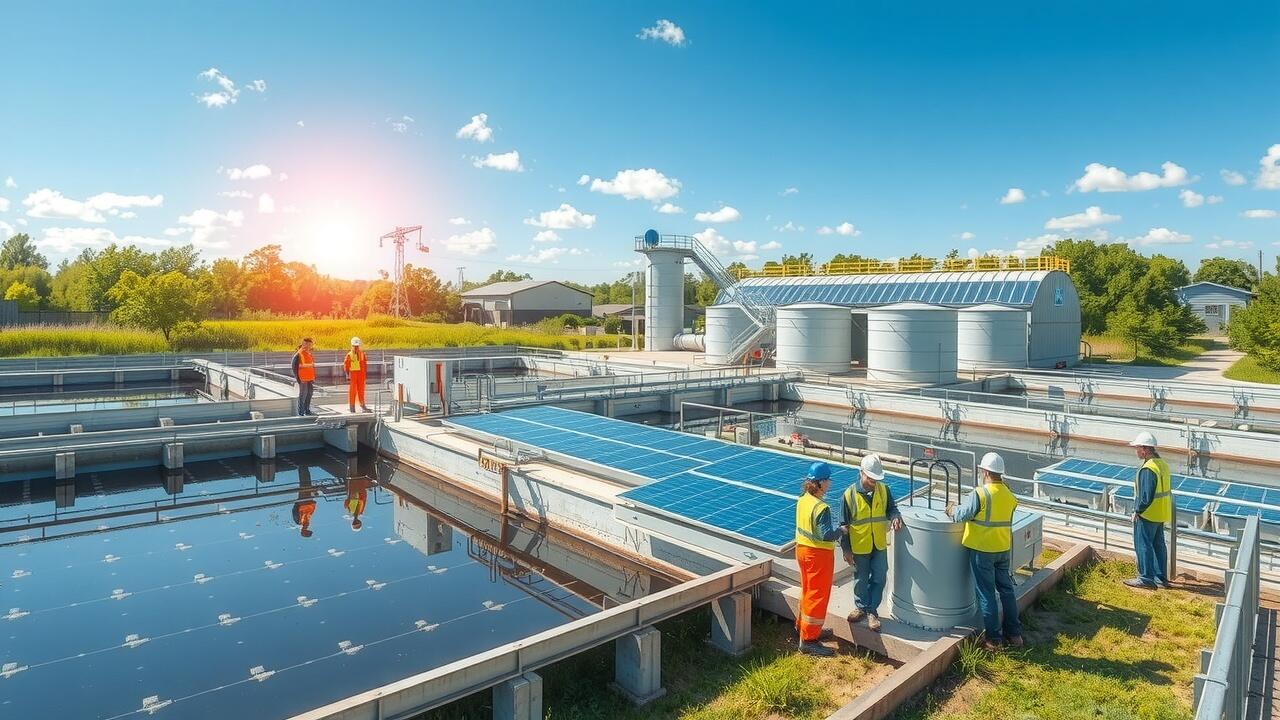
Budget Constraints and Funding Options
Effective financing is crucial for implementing waste water system upgrades. Many municipalities face budget constraints that hinder their ability to pursue necessary capacity upgrades. Poor water quality from outdated systems increases the urgency for improvements. New water treatment facilities require substantial investment, while funding sources such as water impact fees can help offset costs. However, the upgrade process often demands creative financial solutions to ensure that communities can access high-quality water without straining their budgets.
Securing funds for current upgrades presents a challenge, particularly in tight economic times. Local governments must explore various funding options, including state and federal grants, loans, or public-private partnerships. These routes can provide the necessary capital for sewage system enhancements and further technology upgrades. Compliance with regulations like the Clean Water Act often introduces additional costs, making it essential for municipalities to prioritize their financial strategies to maximize the effectiveness of their waste water system upgrades and prevent water loss.
Regulatory Compliance and Permitting
Regulatory compliance plays a crucial role in the implementation of waste water system upgrades. Many water assets face challenges due to complex water quality standards, which necessitate thorough evaluations and adherence to state and federal regulations. The presence of sewage shows the impact of failing stormwater infrastructure, resulting in increased risks of raw sewage discharge into our waterways. Achieving compliance means that upgrades must incorporate effective nutrient removal technology and other advanced methods to ensure that treatment plants meet regulatory thresholds.
Permitting processes can be intricate, as each upgrade relies on various factors tied to local environmental policies. Engaging with regulatory agencies early is essential to navigate the permitting landscape effectively. Stakeholders should consider the potential for a water impact fee, which can help fund necessary upgrades and reinforce a resilient water future. The complexities involved in obtaining the necessary permits often influence the timeline and budget for waste water system upgrades, making proactive planning critical to successful outcomes.
Technological Innovations in Waste Water Management
Technological advancements in waste water management play a crucial role in enhancing the effectiveness of waste water system upgrades. These technical upgrades facilitate the adoption of smart sensors and monitoring systems that provide real-time water quality data, allowing municipalities to address water quality issues proactively. Centralized sewer systems benefit from these innovations by identifying specific water characteristics that influence treatment processes, which is essential for meeting tribal wastewater needs. The integration of advanced treatment technologies not only improves the efficiency of existing systems but also reduces ongoing maintenance costs associated with handling contaminated stormwater. Various upgrade packages tailored to local conditions ensure that an upgrade plan addresses the unique requirements of each water state, ultimately leading to safer drinking water as supported by comprehensive drinking water surveys.
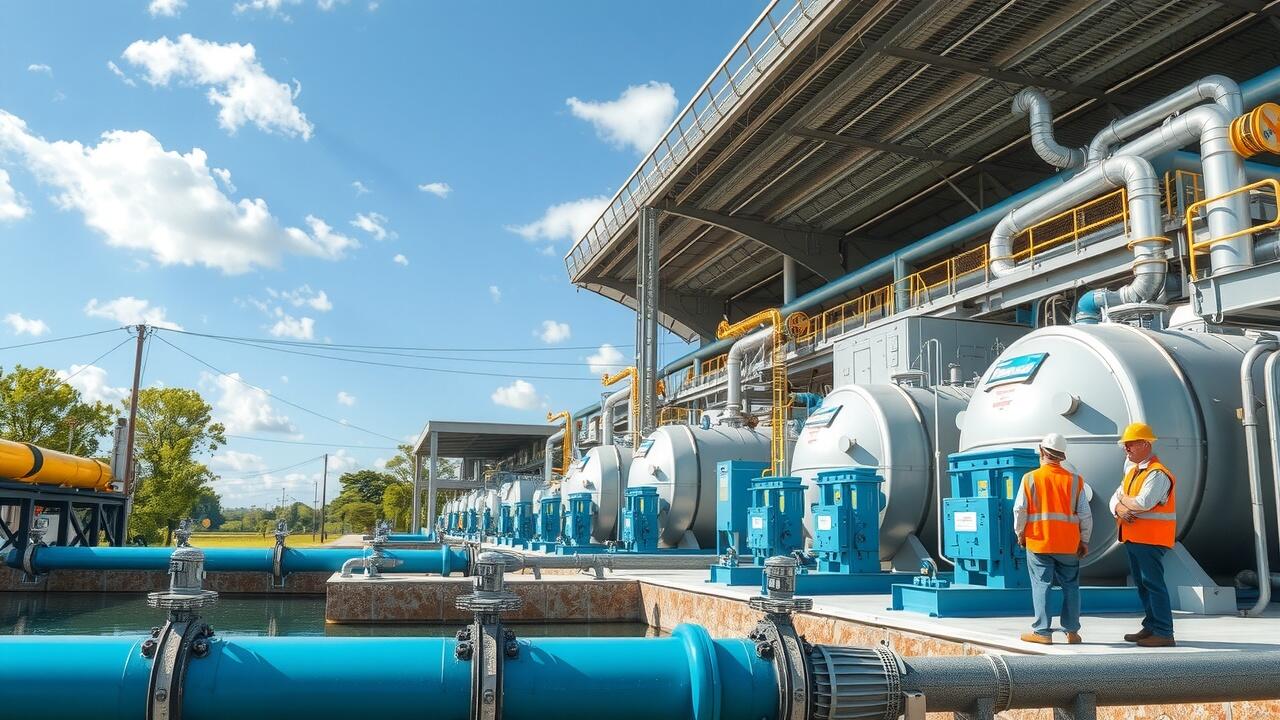
Smart Sensors and Monitoring Systems
The integration of smart sensors into waste water system upgrades transforms the efficiency and reliability of municipal water management. These advanced monitoring systems constantly track water quality and flow rates, addressing issues such as sewer overflows while ensuring that recent drinking water standards are met. By reinforcing the infrastructure with real-time data, utilities can optimize their operations and prioritize asset upgrades across various segments, including drinking water reclamation and waste water treatment.
Investments in smart monitoring technology also align with the growing demands for clean watersheds. As municipalities face increasing pressure to deliver sustainable solutions, the implementation of these systems forms a crucial part of upgrade packages aimed at enhancing overall service delivery. With the capability to monitor water line size and performance, municipalities can proactively manage resources, leading to significant cost savings while fulfilling their commitment to the water online needs of the community.
Advanced Treatment Technologies
The integration of advanced treatment technologies plays a vital role in effective waste water system upgrades. These innovations enable the efficient removal of pollutants and nutrients, ensuring compliance with stringent disposal requirements. By utilizing advanced reactors, systems can effectively harness processes for potable water treatment and gray water reuse. These improvements contribute to the health of clean watersheds and support overall environmental safety. As cities face increased water stress due to population growth and climate change, successful upgrades become essential in maintaining public health and preserving natural resources.
Innovative technologies such as membrane bioreactors and advanced oxidation processes significantly enhance the capability of waste water system upgrades. These methods not only improve the quality of treated effluent but also allow for the effective recycling of water, addressing the challenges of pollution and nutrient overload in water bodies. The shift towards these advanced solutions showcases a commitment to environmental safety while simultaneously reducing operational costs. Upgrading conventional systems with these technologies fosters resilience in waste water management, ensuring that communities can meet current and future demands for clean water.
Case Studies of Successful Waste Water System Upgrades
Municipalities across the globe have successfully implemented waste water system upgrades, showcasing innovative approaches to enhance local water bodies. For instance, an Australian water facility upgraded its tanks, focusing on nutrient pollution control that ultimately improved the health of adjacent waterways. In the U.S., a case involving the integration of autonomous water monitoring systems demonstrated significant current utility benefits, allowing for real-time assessment of water quality that directly impacts drinking water side outcomes. These upgrades have not only addressed immediate concerns but also set a foundation for a thriving actionable water market, ensuring that investments in waste water system upgrades yield long-lasting environmental benefits.
- Improved water quality leading to healthier ecosystems.
- Enhanced operational efficiency of waste water treatment facilities.
- Implementation of advanced technology for real-time monitoring.
- Greater public trust and engagement in local water management initiatives.
- Reduction in operational costs through efficient resource management.
- Creation of educational programs about water conservation and pollution prevention.
- Opportunities for economic growth through the development of sustainable water markets.
Conclusion
Waste water system upgrades play a crucial role in safeguarding local waterways and public health. Municipalities often face the challenge of costly breakdowns caused by outdated infrastructure, which can escalate repair costs and disrupt service. Upgrading treatment plants and installing new sewer lines, along with necessary grit removal systems, enhance the overall efficiency of waste water management. Projects aimed at converting basic septic systems to either centralized sewer systems or advanced septic systems address long-standing environmental concerns. The example of the Hespeler wastewater treatment facility showcases the tangible benefits of these improvements, emphasizing the importance of investing in modern infrastructure for sustainable community growth.
FAQS
What are the key challenges faced by water utilities when upgrading water infrastructure, particularly in the context of wastewater treatment plants and the handling of recycled water?
Upgrading water infrastructure, particularly in terms of wastewater treatment plants, involves several challenges for water utilities. These challenges include ensuring that wastewater facilities can effectively handle wastewater—the latter being critical for the prevention of water system contamination. Additionally, drinking water treatment processes must align with the needs of the local water body and support the sustainable utility model. Such upgrades are essential to meet the demands of the municipal water market and ultimately reinforce clean watersheds, contributing to better groundwater management and the overall quality of U.S. drinking water.
What specific factors contribute to the challenges faced by water utilities during upgrades to wastewater treatment plants and the integration of recycled water systems?
Upgrades to wastewater facilities often encounter challenges related to outdated infrastructure, regulatory requirements, and the need for technological innovation. For instance, when managing wastewater treatment plants, water utilities must consider how upgrades impact ground water and the supply of clean watersheds. Additionally, the integration of recycled water into existing systems reinforces the complexities involved. A comprehensive drinking water survey—which assesses community needs—can help address these challenges and ensure efficient upgrades utilities. Ultimately, successful upgrades on the wastewater side are crucial for preventing water systems from degrading over time.
How do wastewater treatment plants play a role in addressing the challenges faced by water utilities when implementing upgrades to their infrastructure, especially in relation to maintaining clean watersheds and the overall functionality of water systems?
Wastewater treatment refers to the processes involved in treating wastewater to make it suitable for discharge or reuse. The challenges water utilities encounter during upgrades often stem from the need to modernize their wastewater facilities while ensuring that these upgrades prevent water systems from becoming overwhelmed. Efficient and updated wastewater treatment plants help to reinforce the integrity of segments—drinking water, thereby supporting clean watersheds needs, which are critical for environmental and public health.
What factors can influence the efficiency of upgrades to wastewater treatment plants and how do these upgrades reinforce the overall functionality of a wastewater facility?
Several factors, including technological advancements, regulatory compliance, and budget constraints, can influence the efficiency of upgrades to wastewater treatment plants. These upgrades reinforce the overall functionality of a wastewater facility by enhancing wastewater treatment capabilities, ensuring better compliance with environmental standards, and improving operational efficiency.
How do different factors impact the effectiveness of upgrades to wastewater treatment plants, and in what ways do these upgrades reinforce the overall functionality of water systems?
Various factors, including technology advancements, regulatory requirements, and community involvement can greatly impact the effectiveness of upgrades to wastewater treatment plants. These upgrades—from factors such as improved processing techniques to better monitoring systems—play a crucial role in ensuring that the overall functionality of water reinforces the ecological balance and public health standards in our communities.
How can innovations in technology streamline upgrades for wastewater treatment plants?
Innovations in technology can greatly streamline upgrades for wastewater treatment plants by enhancing efficiency, reducing costs, and improving overall environmental compliance. These advancements not only optimize existing processes but also ensure that wastewater treatment plants are better equipped to handle varying volumes of wastewater, thus reinforcing their critical role in maintaining water quality and public health.
How can effective management strategies improve the operational efficiency of wastewater treatment plants during the upgrade processes?
Effective management strategies can significantly enhance the operational efficiency of wastewater treatment plants during upgrade processes. By implementing structured planning and resource allocation, utilities can minimize disruptions and streamline operations. This ensures that the upgrades not only meet regulatory standards but also enhance the overall productivity and reliability of wastewater treatment plants.
What role do regulatory changes play in the upgrade processes for wastewater treatment plants?
Regulatory changes often necessitate upgrades to wastewater treatment plants to ensure compliance with new environmental standards, which in turn enhances their efficiency and effectiveness. These upgrades typically involve modernizing existing systems, implementing advanced technologies, and improving overall functionality to better manage wastewater and protect water quality.
What are the benefits of investing in modernizing wastewater treatment plants for local communities?
Investing in modernizing wastewater treatment plants can lead to improved environmental protection, enhanced public health, and increased efficiency in water management, which ultimately benefits local communities. Additionally, upgraded wastewater treatment plants can facilitate better water recycling processes, potentially providing communities with more sustainable water resources.
What are some best practices for optimizing the performance of wastewater treatment plants during upgrade projects?
To optimize the performance of wastewater treatment plants during upgrade projects, it’s essential to implement best practices such as thorough planning, utilizing advanced technology, and ensuring compliance with environmental regulations. These strategies help improve the efficiency and effectiveness of wastewater treatment plants, ensuring they meet community needs and environmental standards.
Comments are closed.