
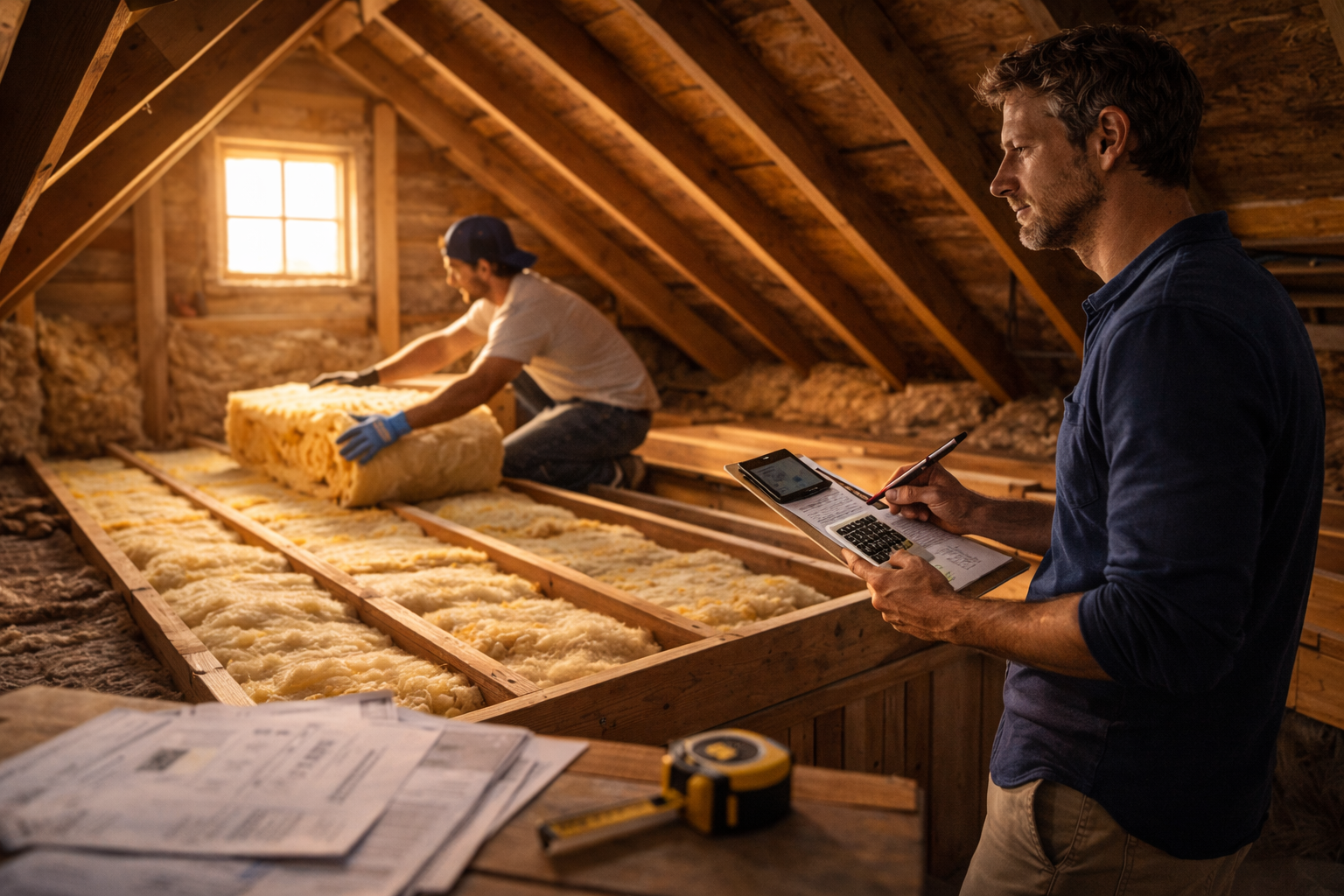

Few home upgrades deliver as much financial return with as little glamour as insulation. There are no before-and-after photos that make your friends jealous, no dramatic reveal moment, and no curb appeal boost that catches a buyer’s eye from the street. But when you look at the numbers, the ROI of new insulation is among the highest of any home improvement project you can undertake. Lower energy bills, improved comfort, reduced HVAC strain, and increased home value combine to create a return that often exceeds what homeowners spend on far more visible upgrades like kitchen remodels or bathroom renovations.
This guide breaks down exactly what insulation costs, how much it saves, how quickly it pays for itself, and where in your home the investment delivers the greatest return.
What Is the ROI of New Insulation?
Contents
- 1 What Is the ROI of New Insulation?
- 2 Where Does Insulation Deliver the Highest ROI?
- 3 Types of Insulation and Their Cost-Effectiveness
- 4 Understanding R-Value and What It Means for Your ROI
- 5 How Insulation Affects Home Value
- 6 Tax Credits and Incentives That Improve Your ROI
- 7 When to Invest in New Insulation
- 8 Frequently Asked Questions
- 9 Make the Upgrade That Keeps Paying You Back
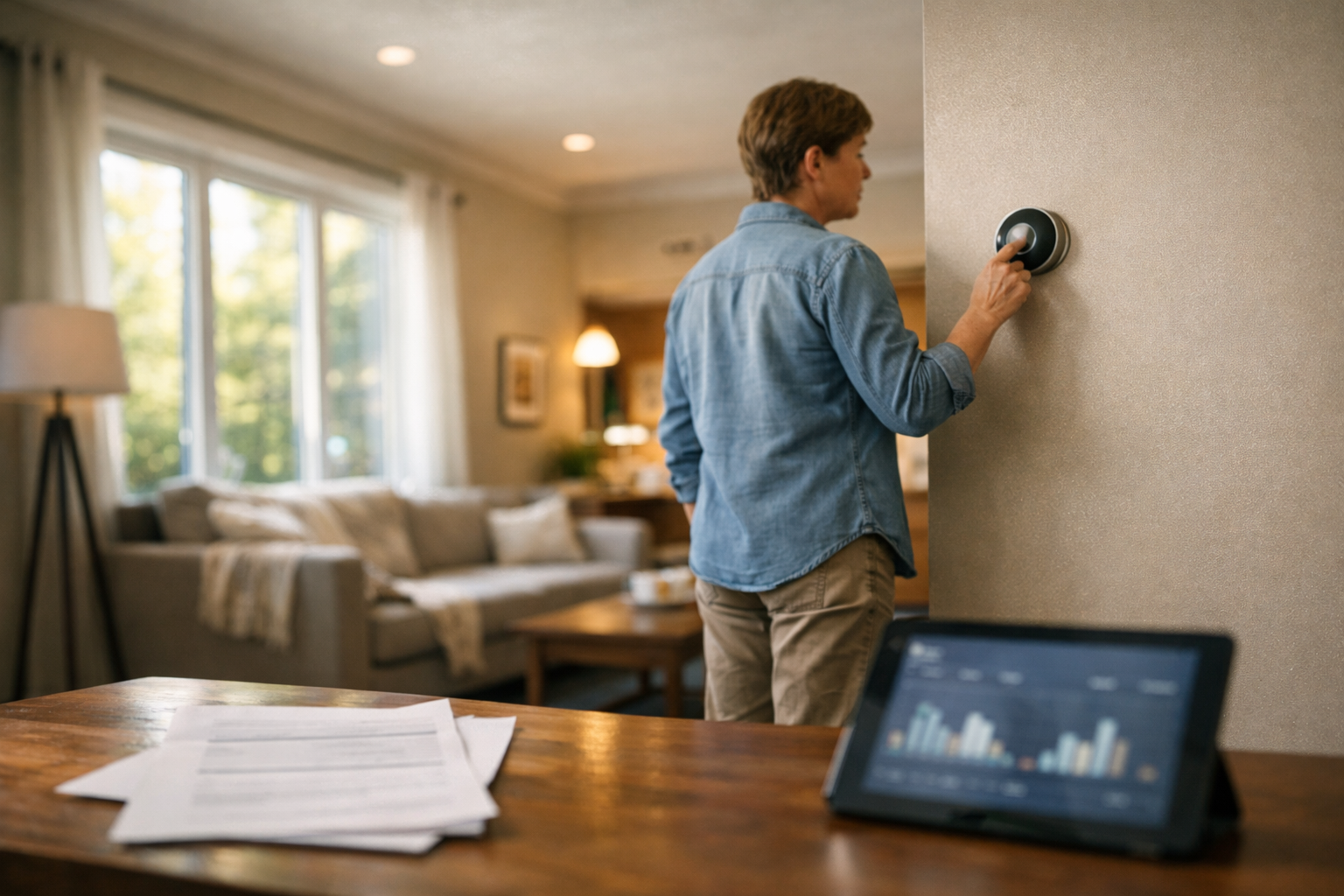
The return on investment for new insulation depends on several variables, including where you live, how poorly insulated your home currently is, the type and amount of insulation you install, and your local energy costs. That said, the data paints a consistently strong picture.
According to estimates from the U.S. Department of Energy, properly insulating your home can reduce heating and cooling costs by 15% to 40%, with some under-insulated homes seeing even greater savings. The Remodeling Magazine Cost vs. Value Report has historically ranked attic insulation among the top home improvement projects for return on investment, with homeowners recouping approximately 95% to over 100% of the project cost at resale.
When you combine the annual energy savings with the resale value boost, most insulation projects pay for themselves within 3 to 5 years, with returns continuing to compound for the life of the material, which can be 20 years or more depending on the type.
Where Does Insulation Deliver the Highest ROI?
Not all insulation projects are created equal. Where you add insulation matters just as much as what type you use. Here’s how different areas of the home rank in terms of return.
Attic Insulation
The attic is the single highest-impact area for insulation upgrades in most homes. Heat rises, and in a poorly insulated attic, that heat escapes directly through the roof in winter and radiates down into your living space in summer. The result is an HVAC system that works harder, runs longer, and costs you more every month.
Adding or upgrading attic insulation is also one of the least expensive insulation projects. Blown-in cellulose or fiberglass insulation in an open attic typically costs between $1,500 and $3,500 for an average-sized home. Many homeowners see energy savings of $200 to $600 per year or more, depending on climate zone and prior insulation levels. That puts the payback period at roughly 2 to 5 years, with decades of savings beyond that.
For homes with little or no existing attic insulation, this is the single best place to start.
Exterior Wall Insulation
Walls represent the largest surface area of your home’s building envelope, and under-insulated walls are a major source of energy loss. However, retrofitting wall insulation in an existing home is more complex and expensive than attic work because the wall cavities are enclosed.
The most common retrofit approach is blown-in insulation, where small holes are drilled into the wall sheathing or interior drywall, dense-pack cellulose or fiberglass is blown into the cavities, and the holes are patched. Costs typically range from $3,000 to $8,000 depending on the home’s size and construction type.
The payback period for wall insulation is longer than attic insulation, usually 5 to 8 years, but the comfort improvement is often dramatic. Rooms that were always too hot in summer or too cold in winter become noticeably more consistent once the walls are properly insulated.
Basement and Crawl Space Insulation
Uninsulated basements and crawl spaces allow cold air to infiltrate the lowest level of your home and can contribute to moisture problems, frozen pipes, and uncomfortable floor temperatures in rooms above. Insulating basement rim joists, crawl space walls, or the underside of first-floor framing addresses all of these issues.
Costs vary widely depending on the scope, from as little as $1,000 for targeted rim joist insulation to $5,000 or more for comprehensive crawl space encapsulation with insulation. Energy savings of 10% to 20% on heating costs are common, and the moisture control benefits add value that extends beyond simple energy math.
Garage Insulation
If your garage shares a wall or ceiling with conditioned living space, insulating that boundary can reduce energy loss significantly. If the garage itself is used as a workshop, gym, or hobby space, insulating the entire garage envelope makes it usable year-round.
Garage insulation projects typically cost between $1,000 and $3,000 and deliver moderate energy savings. The ROI is strongest when the garage is attached to the home and when adjacent rooms have historically been difficult to keep at a comfortable temperature.
Types of Insulation and Their Cost-Effectiveness
Blown-In Fiberglass
Blown-in fiberglass is one of the most widely used insulation materials for attic and wall retrofits. It’s affordable, non-combustible, and effective at filling irregular cavities. Cost per square foot is among the lowest of any insulation type, making it a strong choice for budget-conscious homeowners looking to maximize ROI.
Blown-In Cellulose
Made primarily from recycled paper treated with fire retardants, cellulose insulation offers excellent thermal performance and is denser than fiberglass, which can provide slightly better air-sealing properties. It’s comparable in cost to fiberglass and is a popular choice for environmentally conscious homeowners.
Spray Foam Insulation
Spray foam comes in two varieties: open-cell and closed-cell. Closed-cell spray foam offers the highest R-value per inch of any common insulation material and doubles as both insulation and air barrier. Open-cell foam is less expensive and still provides good thermal and air-sealing performance.
Spray foam costs significantly more than blown-in options, typically two to three times the price per square foot. However, in areas where air sealing is critical, such as rim joists, cathedral ceilings, and irregularly shaped cavities, spray foam can deliver superior performance and justify the premium.
Fiberglass Batts
Traditional fiberglass batts are the least expensive insulation option and are commonly found in new construction. For retrofit projects, batts are practical in accessible spaces like open attic floors, exposed basement walls, and garage ceilings. Their effectiveness depends heavily on proper installation. Gaps, compression, and poor fitting significantly reduce performance.
Understanding R-Value and What It Means for Your ROI
R-value measures an insulation material’s resistance to heat flow. The higher the R-value, the greater the insulating power. But chasing the highest possible R-value isn’t always the most cost-effective strategy.
Every climate zone has recommended R-values for different parts of the home, published by the Department of Energy. For example, attics in colder northern climates are recommended at R-49 to R-60, while homes in milder southern zones may only need R-30 to R-38. The greatest ROI comes from bringing your insulation up to the recommended level for your zone, not from exceeding it.
Going from R-11 to R-38 in an attic produces dramatically more savings than going from R-38 to R-60. The first upgrade addresses a massive performance gap. The second adds incremental improvement at a higher per-unit cost. Smart insulation investment means targeting the areas with the largest gap between current and recommended R-values first.
How Insulation Affects Home Value
Beyond monthly energy savings, new insulation contributes to your home’s market value in several important ways.
Energy efficiency sells. Buyers increasingly prioritize low utility costs and energy-efficient features. A well-insulated home with documentation of the upgrade and lower utility bills is a tangible selling point, especially as energy costs continue to rise.
Home inspection confidence. Inadequate insulation is a common finding on home inspection reports. Having insulation that meets or exceeds current building codes removes a potential negotiation point and signals to buyers that the home has been well maintained.
Appraisal support. While insulation alone won’t dramatically move your appraised value, it contributes to the overall condition rating of the home. Combined with other energy improvements, it can support a higher valuation in the eyes of an appraiser.
Comfort as a selling point. Buyers notice when a home feels consistently comfortable throughout. Even rooms, no drafts, and stable temperatures make a strong impression during showings, even if buyers can’t articulate exactly why the home feels so good.
Tax Credits and Incentives That Improve Your ROI
Federal and state incentive programs can significantly reduce the out-of-pocket cost of insulation, which directly improves your return on investment.
The federal Energy Efficient Home Improvement Credit (under Section 25C of the tax code) has allowed homeowners to claim a tax credit for qualifying insulation materials and air-sealing improvements. The specifics of available credits, including eligible materials, dollar limits, and qualifying requirements, can change from year to year, so checking the most current IRS guidance or consulting a tax professional before your project is strongly recommended.
Many state and local utility companies also offer rebate programs for insulation upgrades, particularly in regions with high heating or cooling demand. These rebates can cover a meaningful percentage of your project cost and are worth researching before you finalize a contractor.
When to Invest in New Insulation
Several situations make the case for upgrading insulation especially compelling.
Your energy bills are consistently high relative to neighbors with similar homes. This often points to insulation deficiency as a primary culprit.
Rooms in your home are noticeably hotter or colder than others, particularly rooms over garages, below attics, or along exterior walls.
Your home was built before 1980. Building codes for insulation were significantly less stringent in earlier decades, and many older homes have insulation that falls well short of current recommendations.
You’re planning to sell within the next few years. Insulation is one of the few upgrades that delivers both immediate savings while you live in the home and a strong return at resale.
You’re undertaking other renovation work. If walls, ceilings, or floors are already opened up for remodeling, adding insulation at that point is far less expensive than doing it as a standalone project.
Frequently Asked Questions
How much money does new insulation save per year?
Most homeowners save between $200 and $600 per year on heating and cooling costs after upgrading insulation, though savings can be higher for poorly insulated homes in extreme climates. The Department of Energy estimates insulation can reduce energy bills by 15% to 40%.
How long does it take for insulation to pay for itself?
Attic insulation typically pays for itself within 2 to 5 years. Wall insulation projects generally have a payback period of 5 to 8 years. The exact timeline depends on your local energy costs, climate zone, and how under-insulated your home was before the upgrade.
What type of insulation has the best ROI?
Blown-in fiberglass or cellulose insulation in the attic offers the best ROI for most homeowners due to its low cost, ease of installation, and significant energy savings. Spray foam delivers the highest performance per inch but costs more, making it most cost-effective in targeted applications like rim joists and air-sealing critical areas.
Does new insulation increase home value?
Yes. Insulation upgrades have historically recouped approximately 95% to over 100% of their cost at resale, according to industry cost-vs-value data. Beyond the direct return, insulation improves energy efficiency ratings, reduces inspection concerns, and makes the home more comfortable during showings.
Should I insulate my attic or walls first?
Start with the attic in almost every case. Attic insulation is less expensive to install, delivers faster payback, and addresses the area where most homes lose the greatest amount of energy. Once the attic is properly insulated, walls become the next highest-priority target.
Are there tax credits for insulation in 2026?
Federal tax credits for qualifying insulation materials have been available under the Energy Efficient Home Improvement Credit. However, credit amounts, eligible materials, and program availability can change annually. Check the latest IRS guidance or consult a tax professional to confirm what credits are currently available for your project.
Make the Upgrade That Keeps Paying You Back
Insulation isn’t flashy, but the numbers don’t lie. Lower energy bills month after month, improved comfort in every season, a stronger position at resale, and potential tax credits combine to make new insulation one of the smartest investments a homeowner can make.
Ready to find out where your home stands? Schedule an energy audit or insulation assessment with a qualified local contractor. They can identify exactly where your home is losing energy, recommend the most cost-effective upgrades, and help you start saving from the very first month. The best return on investment is the one you actually act on.
Comments are closed.