

Key Takeaways
Contents
- 1 Key Takeaways
- 2 Understanding Year-End Energy Savings
- 3 Strategies for Achieving Energy Savings
- 4 Impact of Seasonal Changes on Energy Use
- 5 Financial Benefits of Year-End Energy Savings
- 6 Practical Tips for Maximizing Energy Efficiency
- 7 Conclusion
- 8 FAQS
- 8.1 How can I achieve significant energy savings at home while qualifying for the U.S. Department of Energy’s clean energy credits before they expire at the end of 2025?
- 8.2 What steps can I take to ensure my energy efficiency home qualifies for clean energy credits and achieves significant energy savings before the taxable year ends?
- 8.3 What strategies can I implement in my home to enhance energy efficiency and clean energy qualify for potential financial incentives?
- 8.4 What are some effective strategies to maximize energy efficiency in my home and how can these contribute to potential clean energy credits as year-end deadlines approach?
- 8.5 What are the best practices for maximizing energy savings at the end of the year while also ensuring eligibility for upcoming clean energy financial incentives?
- Comprehending annual energy conservation
- Approaches for attaining energy efficiency
- Effects of seasonal variations on energy consumption
- Economic advantages of yearly energy savings
- Useful advice for enhancing energy productivity
Understanding Year-End Energy Savings
Year-end energy savings are crucial for both households and businesses seeking to enhance energy efficiency. By focusing on energy-saving strategies, individuals can significantly reduce energy consumption while also benefiting from the cost savings associated with lower utility bills. The Department of Energy emphasizes the importance of implementing energy-efficient practices, which not only helps in saving energy but also supports broader energy policies aimed at sustainability. Utilizing resources like Energy.gov can guide consumers in discovering effective methods to achieve energy efficiency. With the push for new energy solutions, understanding these principles ensures that everyone can contribute to reducing energy use and reaping the financial rewards of year-end energy savings.
- Evaluate your current energy consumption and identify areas for improvement
- Invest in energy-efficient appliances and lighting
- Implement smart home technology to optimize energy use
- Regularly maintain heating and cooling systems for efficiency
- Consider weatherproofing your home to reduce heating and cooling costs
- Take advantage of government incentives and rebates for energy-saving upgrades
- Educate your household or employees about energy-saving habits and practices
Importance of Energy Efficiency
Energy efficiency plays a crucial role in achieving year-end energy savings. It serves as a foundational aspect of energy conservation, especially during periods marked by energy crises. By adopting clean-energy technologies, consumers can reduce their reliance on traditional energy sources, thus lowering environmental impact. The U.S. Department of Energy’s guidelines emphasize that improving seasonal energy efficiency ratios can significantly boost energy performance in homes and businesses. The energy policy act of 2005 further highlights the importance of efficiency measures, offering various incentives for those who prioritize energy-saving practices.
The Consortium for Energy Efficiency provides insights on how energy-efficient solutions not only benefit individual households but also contribute to broader clean energy goals. Utilizing innovative energy technologies can result in substantial savings on utility bills while aligning with the objectives of energy tax incentives. By focusing on energy efficiency, individuals and organizations can effectively navigate the challenges posed by fluctuating energy markets. This approach leads to sustainable practices that support long-term economic resilience and environmental stewardship.
Key Metrics for Measuring Savings
Measuring year-end energy savings requires a comprehensive approach that includes assessing the effectiveness of various renewable energy sources and technologies. An energy audit can highlight how much thermal energy and electricity a home consumes, revealing opportunities for improvement. By implementing strategies aligned with the International Energy Conservation Code, homeowners can align their energy consumption with the greenest energy practices, significantly reducing emissions and increasing efficiency. Engaging with organizations like the Consortium for Energy Efficiency (CEE) helps to further refine these metrics and ensures the adoption of best practices.
Key metrics for evaluating energy savings often involve quantifying the impact of alternative fuel sources and the integration of wind energy. Energy Star ratings serve as benchmarks for efficiency, allowing homeowners to track their progress toward achieving year-end energy savings. Establishing clear baseline data through energy audits is crucial for determining the savings realized from adopting renewable energy technologies. This data is invaluable for continuous improvement and ensures that investments yield the highest returns in efficiency and cost savings.
Strategies for Achieving Energy Savings
Achieving year-end energy savings requires a strategic approach that incorporates energy efficiency improvements and innovative technologies. Implementing smart technology can significantly enhance thermal efficiency in homes, leading to lower emissions and reducing greenhouse gas emissions. Utilizing renewable sources, such as solar energy, not only aligns with clean-energy investments but also facilitates cost-effective energy efficiency measures. Homeowners should consider products with the Energy Star label as these often come with energy-efficiency support, ensuring a greater return on investments. Overall, focusing on these strategies contributes to substantial year-end energy savings while promoting a healthier environment.
Implementing Smart Technology
Smart technology plays a crucial role in achieving year-end energy savings. Investing in home automation systems can significantly elevate your home’s energy efficiency. These systems allow homeowners to monitor and control energy consumption in real-time. By implementing smart thermostats and lighting controls, you can optimize your energy usage, ensuring your energy-saving home improvements yield maximum annual savings. With the right energy efficiency upgrades, the implementation of smart technology aligns with energy efficiency standards and enhances your home energy efficiency rating.
Utilizing these smart solutions acts as an energy saver guide, helping homeowners identify areas for energy improvements. By taking advantage of state energy efficiency incentives, you can offset the costs of big energy-efficiency projects. Energy-efficient investments not only lower monthly energy costs but also elevate your home’s value. Embracing smart technology is a forward-thinking approach for those looking to make substantial energy reductions while enjoying the benefits of an energy-efficient home.
| Smart Technology | Benefits | Energy Savings | Incentives Available |
|---|---|---|---|
| Smart Thermostat | Automated temperature control | Up to 15% savings on heating and cooling | Federal tax credits available |
| Smart Lighting | Remote control and scheduling | Up to 10% savings on lighting costs | Local utility rebates |
| Smart Plugs | Control appliances and devices remotely | Varies based on usage | Discounts on energy-efficient products |
| Energy Monitoring Systems | Real-time energy consumption tracking | Can save 5% to 20% on energy bills | State energy efficiency programs |
Utilizing Renewable Energy Sources
Renewable energy sources play a crucial role in achieving year-end energy savings through improved energy performance. By integrating solar panels or wind turbines into your home, you can significantly reduce home energy bills. These energy-efficient upgrades not only contribute to seasonal energy efficiency but also help in qualifying for energy efficiency credits, which further offset clean energy expenses. Homeowners can take pride in knowing that their investment in energy property not only reduces certain energy consumption but also positively impacts the environment.
Investing in renewable energy can lead to substantial long-term savings. As energy bills decrease with the use of clean energy, homeowners may find that the cost of energy-efficient improvements pays for itself over time. Many states offer incentives for those who invest in renewable sources, allowing individuals to benefit from energy performance credits. This can further enhance year-end energy savings and provide financial relief from rising home energy costs, making the shift to renewable energy a smart choice for both the planet and the wallet.
Impact of Seasonal Changes on Energy Use
Seasonal changes significantly influence energy use and consumption patterns, particularly during colder months. During winter, the demand for heating increases, which can lead to higher energy property costs if a home is not energy-efficient. Investing in energy-efficient home improvements can reduce energy waste, resulting in substantial savings on utility bills. Year-end tax breaks offer substantial savings for those who implement energy-efficient enhancements, as home energy tax credits can be claimed for various upgrades. Engaging in a doe-approved energy-efficiency program and conducting home energy assessments helps identify areas for improvement. International energy conservation efforts suggest that several energy-saving measures can contribute to overall cost savings, benefiting both homeowners and the environment.
Winter Energy Consumption Patterns
Cold temperatures during winter often lead to increased energy consumption as families rely on heating systems to maintain comfort. This is a prime time for homeowners to explore year-end energy savings opportunities. Energy-efficient windows can significantly reduce heating costs, contributing to substantial savings. Utilizing savings tools and understanding available community energy programs allows homeowners to maximize benefits from clean energy credits or residential energy credits.
Seasonal changes also impact the types of energy-related home repairs that may be necessary. Homeowners can qualify for clean energy tax incentives through investments in clean energy property, such as improved insulation or energy-efficient heating systems. By prioritizing qualified home energy upgrades, individuals not only enhance comfort but can also benefit from home energy rebates. Making informed decisions this winter can lead to long-term savings and help create a more sustainable residential energy property.
Preparing Your Home for Cold Weather
Cold weather can significantly increase electricity bills if homes are not properly prepared. Implementing sustainable upgrades such as energy-efficient doors and windows enhances insulation, preventing heat loss and maximizing year-end energy savings. Home energy audits can identify areas for improvement, ensuring that you take advantage of energy-efficient tax credits and the clean-energy tax credit. By upgrading to an Energy Star home, homeowners can benefit from both tax savings and greater comfort during the winter months.
Utilizing various Energy Star resources helps homeowners make informed decisions about their thermal energy sources. Enrolling in energy certification programs provides guidance on achieving an energy-efficient rainbow of upgrades tailored to your home. This proactive approach can dramatically lower energy consumption and contribute to significant homes savings throughout the winter season. Emphasizing energy efficiency not only helps the environment but also directly impacts your budget by reducing monthly utility costs.
| Upgrade Type | Description | Benefits |
|---|---|---|
| Energy-Efficient Windows | Windows designed to reduce heat loss and improve insulation. | Lower energy bills, increased comfort, and potential tax credits. |
| Insulation Improvements | Enhancements in attic, wall, and floor insulation to retain heat. | Improved energy efficiency, reduced drafts, and lower heating costs. |
| Energy Star Appliances | High-efficiency appliances that consume less energy. | Reduced electricity consumption, lower utility bills, and tax benefits. |
| Smart Thermostats | Devices that optimize heating schedules based on usage patterns. | Enhanced energy savings, remote control, and increased comfort. |
Financial Benefits of Year-End Energy Savings
Year-end energy savings can significantly alleviate financial burdens, particularly when it comes to winter heating costs. Homeowners who invest in efficiency upgrades, such as high-efficiency appliances or new Energy Star products, may discover substantial savings on their utility bills. A thorough home energy audit helps identify the most applicable energy star solutions that can enhance efficiency. By executing these upgrades, individuals not only improve their monthly savings but also set themselves up for potential tax incentives linked to the end-of-year tax bill. Planning for future tax years, these efficiency tier upgrades serve as a future-proof investment, contributing to a more sustainable future while minimizing overall energy consumption. For more information on qualifying products, the Energy Star website offers a comprehensive resource for making informed decisions.
Reducing Utility Bills
Lowering utility bills becomes increasingly attainable through strategic home efficiency improvements. Implementing energy-efficient air conditioners and high-efficiency appliances can significantly reduce annual costs while maximizing efficiency. Home energy auditors can assess your property’s thermal efficiency rating, helping identify opportunities for wattsmart® homes savings. Investing in clean energy equipment also contributes to lower air emissions impacts, aligning financial benefits with environmental responsibility.
Year-end energy savings can be further enhanced by considering electrical upgrades that qualify for year-end tax breaks. Energy Star labels on appliances signify their efficiency and potential for cost savings. By prioritizing such upgrades and enhancements, homeowners can effectively navigate rising energy costs while enjoying the benefits of a more efficient living space.
Tax Incentives and Rebates
Maximizing year-end energy savings can be achieved through various tax incentives and rebates that encourage efficient home upgrades. A home energy auditor can help identify improvements such as installing an energy-efficient air conditioner or making electric panel upgrades. Utilizing the Energy Star database, homeowners can procure energy star appliances and systems that meet minimum efficiency standards. For the annual tax season, lower-income households might find support through eco-friendly tax credits. Notably, two of these credits are set to expire at the end of 2025, creating urgency for homeowners to act fast.
Financial benefits are paramount when considering year-end energy savings. Investments in biomass stoves and other renewable energy sources can lead to significant reductions in household expenses. Tax credits not only provide immediate monetary benefits but can also contribute to better long-term finances by lowering utility costs in future years. Homeowners should assess their eligibility for these incentives, ensuring they capitalize on available funds before they expire. Engaging with energy solutions can provide substantial returns on investment, enhancing the overall value of the home.
Practical Tips for Maximizing Energy Efficiency
Maximizing energy efficiency is crucial for achieving significant year-end energy savings. Homeowners should consider appliance upgrades like high-efficiency water heaters and biomass stoves/boilers, which offer improved performance and lower energy consumption. Selecting appliances with a high-efficiency rating not only reduces energy use but can also lead to considerable reductions in utility bills throughout the year. Low-income households can especially benefit from financial incentives associated with these upgrades, which may come with an annual dollar limit. As the new year approaches, homeowners should explore various utility rates and rebates available for energy-efficient upgrades, ensuring they capitalize on potential savings while enhancing their home’s efficiency.
Home Insulation Techniques
Effective home insulation plays a crucial role in achieving year-end energy savings. Insulation helps maintain consistent temperatures, minimizing reliance on climate-control systems, which can significantly reduce heating and cooling costs. By selecting the right materials and techniques, homeowners can ensure that their spaces remain comfortable throughout the calendar year. Efficient improvements may lead to substantial reductions in utility payments, providing long-term rewards that extend well beyond the initial investment.
Investing in insulation can also qualify homeowners for annual credits related to energy efficiency. Specific incentives may vary, but many offer annual maximums that can help offset the costs of home improvements. A well-insulated home not only reduces heat accounts during winter months but also keeps cooling costs low in the summer. Over the years, the accumulated annual credit amounts can lead to significant savings, making insulation a sound strategy for anyone looking to boost their year-end energy savings.
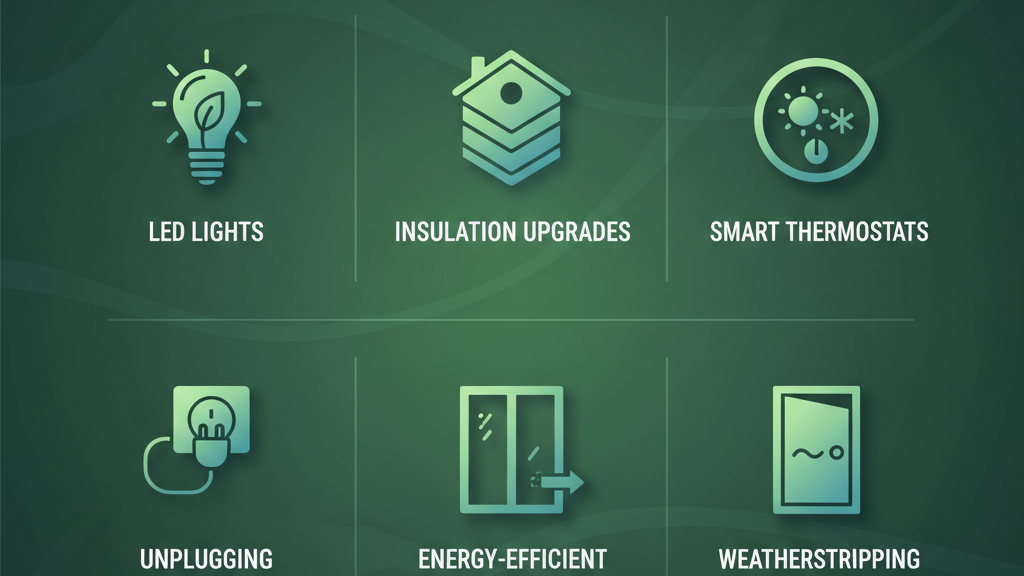
- Consider insulating your attic and basement to improve overall efficiency.
- Use weatherstripping and caulking to seal gaps around doors and windows.
- Select high R-value insulation materials for maximum thermal resistance.
- Evaluate and upgrade insulation in walls and floors for better performance.
- Explore renewable insulation options like cellulose or sheep’s wool for eco-friendliness.
- Schedule periodic energy audits to identify areas for potential insulation improvements.
- Take advantage of local and federal energy efficiency programs for potential rebates.
Conclusion
Year-end energy savings offer significant benefits for households striving to reduce their total costs. By focusing on improving energy efficiency and utilizing smart technologies, homeowners can effectively lower their gas and electric bills. Preparing for seasonal changes is crucial, especially in winter, where heating demands rise and impact energy consumption patterns. Taking proactive steps to enhance insulation and leveraging renewable energy sources can greatly contribute to overall savings. Emphasizing these strategies can ensure that the end of the year is not just a time for reflection, but also an opportunity to embrace sustainable practices that yield long-term financial and environmental rewards.
FAQS
How can I achieve significant energy savings at home while qualifying for the U.S. Department of Energy’s clean energy credits before they expire at the end of 2025?
To save energy in your home and qualify for the U.S. Department of Energy’s clean energy credits, consider making energy-efficiency upgrades like investing in an ENERGY STAR program appliance or improving insulation. Energy efficiency reduces overall energy consumption, and certain fuels, if used with energy-efficient appliances, can maximize efficiency in your home. Additionally, the U.S. Department of Energy suggests that homeowners look into eco-friendly tax credits available for upgrades. These upgrades provide both immediate energy savings and long-term benefits, particularly important as two eco-friendly tax credits are set to expire at the end of 2025.
What steps can I take to ensure my energy efficiency home qualifies for clean energy credits and achieves significant energy savings before the taxable year ends?
To ensure your energy efficiency home qualifies for clean energy credits and achieves significant energy savings, you can upgrade to energy-efficient appliances, such as a particular stove model that meets efficiency standards. Additionally, conducting an energy audit can help identify areas for improvement, enabling you to maximize efficiency and save on energy costs. Visit the energy home page for more tips on qualifying for clean-energy credits and maximizing your savings before the taxable year concludes.
What strategies can I implement in my home to enhance energy efficiency and clean energy qualify for potential financial incentives?
To enhance energy efficiency, consider upgrading to energy efficient appliances, insulating your home properly, and using smart thermostats to manage heating and cooling. These measures not only help you clean energy qualify for financial incentives but also ensure that your home operates at maximum efficiency.
What are some effective strategies to maximize energy efficiency in my home and how can these contribute to potential clean energy credits as year-end deadlines approach?
To maximize energy efficiency in your home, consider implementing upgrades such as proper insulation, energy-efficient appliances, and smart thermostats. These improvements not only enhance your home’s energy efficiency but also align with eligibility for potential clean energy credits. As year-end deadlines approach, taking these steps can ensure you make the most of available financial incentives while improving your overall energy resilience.
What are the best practices for maximizing energy savings at the end of the year while also ensuring eligibility for upcoming clean energy financial incentives?
To maximize energy savings at the end of the year and ensure eligibility for clean energy financial incentives, consider conducting an energy audit to identify areas for improvement, invest in energy-efficient appliances, and upgrade insulation. Additionally, make sure to stay informed about federal and state programs that may offer additional benefits for implementing these energy-saving measures.
Comments are closed.