

Key Takeaways
Contents
- 1 Key Takeaways
- 2 Importance of Winter Wastewater Maintenance
- 3 Challenges of Wastewater Treatment During Winter
- 4 Strategies for Effective Cold-Weather Wastewater Solutions
- 5 Innovations in Winter Wastewater Treatment
- 6 Environmental Considerations in Winter Maintenance
- 7 Conclusion
- 8 FAQS
- 8.1 How can I ensure optimal performance of wastewater treatment systems during the winter months while addressing concerns like frozen pipes and phosphorus removal?
- 8.2 What steps should I take for cold weather wastewater management, including how to store chemicals and install freeze protection effectively?
- 8.3 What are some effective strategies to install freeze protection for wastewater treatment systems during winter maintenance?
- 8.4 What new techniques can I implement to improve winter wastewater maintenance, focusing on addressing common winter challenges such as frozen pipes and chemical storage?
- 8.5 What additional precautions can be taken for wastewater treatment systems to prevent issues during winter maintenance, such as ensuring proper chemical storage and managing frozen pipes?
- Significance of Cold-Weather Wastewater Care
- Difficulties in Sewage Processing in Winter
- Approaches for Efficient Chilly-Season Wastewater Management
- Advancements in Cold-Weather Sewage Treatment
- Ecological Factors in Winter Care Practices
Importance of Winter Wastewater Maintenance
Effective winter wastewater maintenance is crucial for ensuring the reliability of wastewater treatment plants during the colder months. Cold temperatures can severely impact the performance of wastewater treatment facilities, leading to reduced efficiencies and potential failures in sewage treatment systems. Proper maintenance procedures help protect both industrial wastewater treatment and the treatment of domestic sewage, ensuring the continuous flow of treated wastewater and preventing costly disruptions. By implementing strategies tailored for winter conditions, such as insulation of critical components and regular inspections, wastewater management can maintain the integrity of sewage treatment plants and uphold environmental standards. Without robust winter wastewater maintenance, the risk of operational challenges increases, which can ultimately affect the quality of the treated effluent released into the environment.
Protecting Wastewater Treatment Facilities
Winter wastewater maintenance is essential for safeguarding sewage treatment plants during cold months. A well-maintained plumbing system ensures that the sewer systems remain operational despite freezing temperatures. Effective winter practices help mitigate risks of system failures that can disrupt the activated sludge process, ultimately affecting the overall water quality. Keeping the waste water flow manageable is vital for the health of both the sewer and industrial water treatment operations.
Implementing preventive measures is crucial for protecting wastewater treatment facilities throughout winter. Insulating key components and utilizing heat tracing techniques can prevent freezing and unwanted ice formation in the sewer system. Regular operations and maintenance routines support efficient water cooling and help sustain activated sludge processes, ensuring that treatment plants can handle seasonal challenges effectively. Prioritizing these strategies safeguards not just the infrastructure but also the environment from potential wastewater spills and pollution.
Maintaining System Efficiency in Cold Weather
Effective winter wastewater maintenance ensures that systems remain functional even in harsh conditions. Key components like sludge digesters must be monitored closely to prevent issues like sludge bulking, which can arise from colder temperatures affecting the biological processes involved in organic waste degradation. Implementing routine checks on plumbing systems, including the use of sewer cameras, can help identify potential blockages or failures before they escalate into costly repairs or violations of environmental regulations.
Maintaining system efficiency also involves optimizing the operation of batch reactors. These reactors play a crucial role in the oxidation of ammonia, particularly during winter months when cold temperatures can hinder biological activity. Regular preventive maintenance, such as insulating key components and ensuring proper water circulation, can significantly enhance the effectiveness of treatment processes, reducing waste accumulation and supporting a stable operation throughout the winter season.
Challenges of Wastewater Treatment During Winter
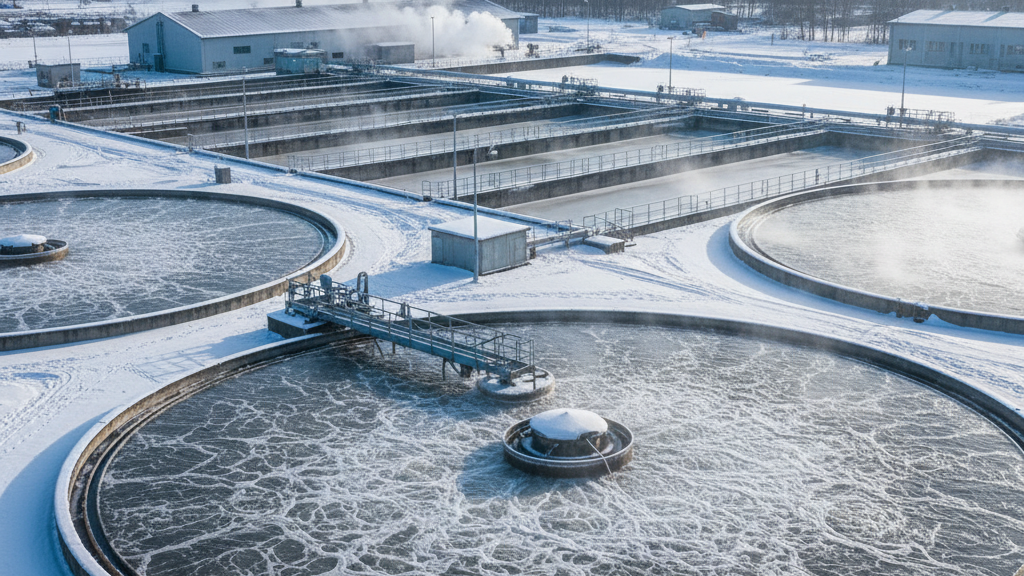
Cold weather presents significant hurdles for wastewater systems, particularly concerning winter wastewater maintenance. The risk of icing and freezing can severely impact pressure sewer and gravity sewer systems, disrupting normal flow and increasing the likelihood of blockages. Low temperatures can also adversely affect aeration tanks, where reduced biological activity leads to longer hydraulic retention times, ultimately compromising treatment efficacy. The choice of cleaning products becomes critical, as some may underperform or even fail in cold temperature wastewater environments. Environmental science plays a vital role in developing winter wastewater innovations that aim to mitigate these issues, ensuring that precipitation does not overwhelm treatment facilities. Proper planning and research in environmental engineering are essential to navigate these challenges effectively.
Risks Associated with Icing and Freezing
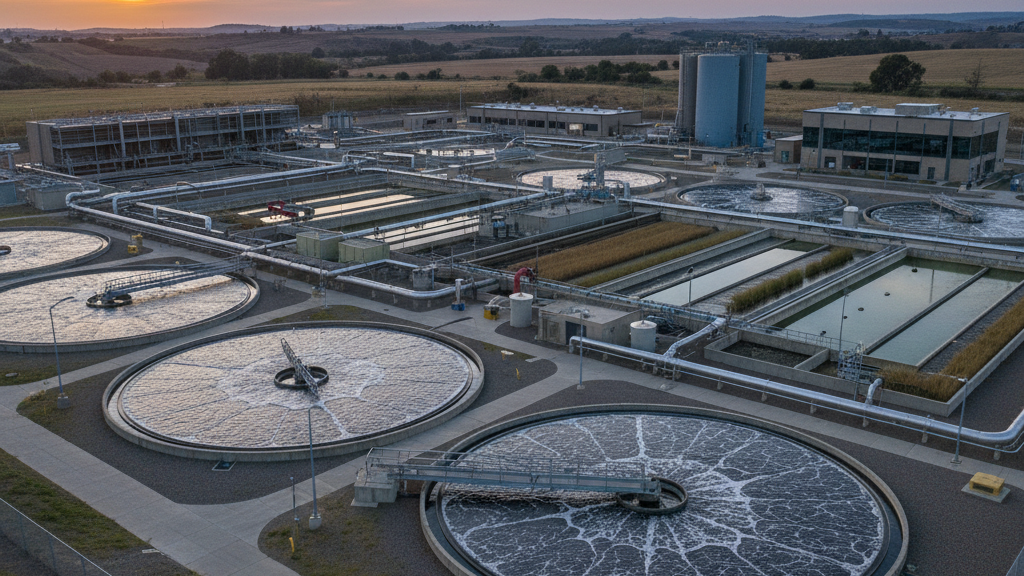
Icing and freezing present significant risks to wastewater facilities, challenging the functionality of wastewater treatment equipment. In winter wastewater maintenance, these conditions can lead to frozen sewage, which disrupts the flow in wastewater collection systems. Such blockages can hinder effective wastewater treatment, leading to increased operational costs and potential environmental hazards. Many wastewater treatment operations may experience reduced efficiency in cold temperatures, complicating the cold-region wastewater stabilization processes necessary for maintaining safe discharge levels.
Frozen components within wastewater management systems also pose a threat to overall system integrity. Compact wastewater treatment setups may not withstand prolonged exposure to low temperatures, resulting in equipment failures and delays in wastewater operations. Risks extend to secondary impacts on environmental health due to insufficient treatment of effluent. Addressing these challenges requires proactive measures for efficient wastewater treatment throughout winter months, ensuring that facilities remain operational and compliant with regulatory standards.
Impact of Low Temperatures on Treatment Processes
Low temperatures can significantly affect the performance of domestic sewage treatment processes. In regions with winter conditions, the main wastewater infrastructure faces challenges that can slow down wastewater flow. It is crucial for facilities to implement winter wastewater maintenance strategies to ensure that the wastewater collection system operates efficiently. As ice forms, it may lead to sewage backup issues, particularly in small sewage treatment setups and wastewater lagoons. Upgraded wastewater infrastructure becomes essential for maintaining functionality in these harsh conditions.
Organic sewage treatment can be particularly impacted by low temperatures, as the biological processes responsible for breaking down waste become sluggish. Wastewater lagoon operations may experience reduced efficiency, necessitating careful monitoring and wastewater lagoon troubleshooting. Regular inspections are vital; have a professional inspect and maintain your sewage treatment plant to ensure optimal functionality throughout the winter months. Proper sewage treatment guidance helps facilities tackle cold-weather challenges effectively while minimizing environmental risks.
Strategies for Effective Cold-Weather Wastewater Solutions
Effective cold-weather solutions for winter wastewater maintenance are essential to safeguard treatment facilities against common issues such as sewage backups and frozen sewer lines. Insulation and heat tracing techniques play a pivotal role in maintaining optimal performance in wastewater lagoons and sludge systems, ensuring that water temperatures remain conducive to proper treatment processes. Implementing robust ice removal protocols prevents blockages in winter sewer lines, while regular inspections can help monitor current sludge levels and promote better sludge processes. Innovative approaches, such as diamond sewage treatment, enhance overall water treatment operation efficiency, even amid fluctuating winter conditions. By prioritizing these strategies, environmental systems can remain functional, reducing the risk of operational disruptions during freezing temperatures.
Insulation and Heat Tracing Techniques
Effective winter wastewater maintenance includes the implementation of insulation and heat tracing techniques. Proper insulation of sewer lines helps prevent freezing pipes, which can lead to costly repairs and service interruptions. Maintaining warm water temperatures within water systems is crucial, as it supports the efficient operation of reactors and minimizes the risk of freezing water temperature. Regular maintenance checks and cleaning of insulation materials contribute to the longevity of the system and ensure that sludge levels remain manageable during the colder months.
Heat tracing systems serve as an excellent solution for keeping critical components of wastewater treatment facilities operational in winter conditions. By applying consistent warmth to pipelines and equipment, these systems reduce the likelihood of ice formation and enhance overall system performance. This low maintenance approach allows wastewater treatment facilities to focus on daily maintenance tasks while effectively managing the risks associated with winter operations. A comprehensive sludge survey during winter wastewater maintenance can also identify potential issues before they escalate, ensuring a smoother treatment process.
Regular Inspection and Maintenance Routines
Conducting thorough pre-winter audits is essential for effective winter wastewater maintenance. These audits focus on key areas such as sewer lines, chemical storage tanks, and potential sludge buildup. Inspecting these components helps identify vulnerabilities that could lead to winter-related issues. Regular review of maintenance logs can inform teams of previous problems and assist in planning preventive measures. Implementing routine maintenance services ensures that systems operate efficiently, even amid common winter hazards like frozen ground.
Maintaining a pressure sewer system during cold months is critical for nutrient removal and overall functionality. Addressing potential toilet disposal problems before winter arrives can mitigate risks associated with freezing and clogging. Employing biowater technology can enhance treatment processes and provide resilience against harsh conditions. Establishing a proactive approach to inspection not only helps in immediate problem-solving but also paves the way for effective future maintenance strategies, ensuring smooth operations throughout the winter season.
- Regularly schedule pre-winter inspections for all key system components.
- Monitor weather forecasts for potential freeze alerts to adjust maintenance routines.
- Test backup generators to ensure they function properly during power outages.
- Check insulation on pipes and tanks to prevent freezing.
- Train staff on emergency response procedures to handle winter-related issues.
- Keep inventory stocked with necessary maintenance supplies and tools.
- Document all findings and actions taken during inspections for future reference.
Innovations in Winter Wastewater Treatment
Advancements in technologies tailored for winter wastewater maintenance are crucial for managing the challenges posed by harsh winter conditions. Systems like low pressure sewer networks can mitigate the risk of winter breakdowns that often affect conventional gravity sewer systems. Innovative approaches include biowater treatment processes that utilize warmer water to enhance sludge digestion, preventing common winter woes such as sludge cause and accumulation. To combat winter-specific emergencies, operators must implement winterization measures and prioritize regular maintenance checks. These activities ensure that wastewater facilities remain operational and efficient throughout the cold months, effectively managing waste and reducing the potential for system failures.
Advanced Technologies for Cold Conditions
Innovative technologies play a crucial role in ensuring efficient winter wastewater maintenance. Facilities focus on strategies to winterize equipment to withstand harsh winter months. This includes implementing heat tracing systems and insulation for pipelines to avoid water backups during freezing temperatures. An effective maintenance schedule is vital, allowing operators to monitor water levels and prevent the accumulation of solids that can lead to ammonia issues. Such proactive measures support the efficient removal of phosphorus and other contaminants in the waste stream.
Emerging solutions also address the storage and disposal of chemicals necessary for treatment processes. Properly designed tanks and storage systems can minimize risks associated with chemical exposure in winter conditions. Investing in advanced monitoring systems helps operators track treatment performance, ensuring that any fluctuations in water quality or equipment function are quickly addressed. This focus on technology and preventive measures enhances overall winter wastewater maintenance practices, allowing facilities to operate smoothly even in extreme weather.
Case Studies on Successful Winter Operations
Successful examples of winter wastewater maintenance showcase how facilities adapted their operations to overcome winter challenges. A notable approach involved the implementation of a bed biofilm reactor, which proved effective in maintaining cold-active ammonia levels even during the freezing months. This innovative system allowed for routine inspections to ensure that treatment tanks operated efficiently, mitigating the risks of freezing ground conditions that can hinder performance. The use of continuous discharge lagoons combined with outdoor tanks helped maintain a homogeneous water temperature, crucial for optimal treatment.
Another case highlighted the value of proactive line maintenance during cold weather. Facilities that conducted regular inspections reported significantly fewer disruptions in service. These strategies included insulating critical components and reinforcing the treatment processes against winter weather impacts. The focus on meticulous disposal protocols ensured that even during winter months, environmental standards were upheld, proving that effective winter wastewater maintenance is achievable through careful planning and innovative technologies.
- Enhanced technology usage, such as temperature monitoring systems, can further optimize winter operations.
- Training staff on winter-specific procedures reduces the risk of operational failures.
- Collaborating with local weather services can improve response times to adverse weather conditions.
- Implementing backup systems ensures continuity of service during unexpected freezing events.
- Regularly updating winter maintenance plans based on past experiences leads to improved future performance.
- Investing in winterization products and technologies can minimize infrastructure damage.
- Establishing clear communication pathways among teams aids in efficient problem-solving during winter months.
Environmental Considerations in Winter Maintenance
Effective winter wastewater maintenance involves managing runoff and preventing pollution, particularly during the winter months when ice accumulation can pose significant challenges. Maintenance teams must address issues related to frozen grounds and ice cover seals to protect tanks from damage. The cold weather lagoon presents unique difficulties; stagnant conditions can lead to biomass settling and degradation of wastewater quality. Implementing proactive strategies, such as a lagoon aeration project, can enhance biomass concentrations and overall system efficiency. Trusted plumbing professionals play a crucial role in ensuring that repairs are timely and effective, thereby minimizing environmental risks associated with winter operations.
Managing Runoff and Preventing Pollution
Effective winter wastewater maintenance includes strategies for managing runoff and preventing pollution. Proper winterization of facilities can significantly reduce the risk of water overflows and slow drainage issues. Regular inspections of chemical storage areas, check tanks, and aeration systems play a crucial role in ensuring that systems function efficiently during cold weather. Maintaining robust biofilm reactors and monitoring the sludge profile will help maintain a healthy soil treatment area, minimizing potential environmental impacts.
Installing freeze protection is essential for preventing damage to critical components in wastewater facilities. By taking proactive measures, such as keeping chemicals secure and ensuring nitrox lagoon ammonia levels are stable, operators can mitigate the risks associated with colder temperatures. Consistent inspections and assessments are vital for identifying potential weak points in the system. With effective winter wastewater maintenance, facilities can operate smoothly while safeguarding the environment against pollution.
| Maintenance Strategy | Description | Benefits |
|---|---|---|
| Regular Inspections | Conducting routine checks on chemical storage areas, tanks, and aeration systems. | Ensures efficient system function and early detection of potential issues. |
| Freeze Protection Installation | Implementing systems to prevent freezing of critical components in facilities. | Reduces risk of damage and overflows during cold weather conditions. |
| Biofilm Reactor Maintenance | Monitoring and maintaining biofilm reactors to ensure optimal performance. | Promotes effective treatment of wastewater and minimizes environmental impact. |
| Sludge Profile Monitoring | Regular assessment of the sludge conditions to maintain healthy soil treatment. | Supports effective treatment processes and reduces pollution risks. |
Conclusion
Effective winter wastewater maintenance is crucial for the smooth operation of wastewater treatment facilities during the harsh winter season. Proper installations and maintenance routines ensure that industrial facilities can manage the challenges posed by low temperatures. Utilizing winter essentials like insulation and heat tracing techniques helps prevent freezing and icing in wastewater systems. By adopting proactive strategies and advanced technologies, facilities can enhance their resilience, minimize environmental impacts, and maintain efficient operations throughout the winter months. Prioritizing these measures not only safeguards infrastructure but also upholds the integrity of wastewater treatment processes during adverse weather conditions.
FAQS
How can I ensure optimal performance of wastewater treatment systems during the winter months while addressing concerns like frozen pipes and phosphorus removal?
To ensure optimal performance of wastewater treatment systems during the winter months, it is important to take a comprehensive winter months approach. Start by inspecting aeration systems to prevent cold water issues that can lead to frozen pipes. Additionally, review maintenance logs to identify necessary maintenance activities, and consider installing freeze protection to safeguard critical components. Make sure to keep chemicals stored in a way that prevents freezing and prepare a plan to dispose of any surplus materials. It’s beneficial to keep an eye on wastewater lagoon performance as well, particularly focusing on free wastewater treatment strategies to manage phosphorus removal effectively.
What steps should I take for cold weather wastewater management, including how to store chemicals and install freeze protection effectively?
To ensure effective cold weather wastewater management, it’s essential to store chemicals properly to prevent freezing and to inspect aeration systems regularly. Additionally, installing freeze protection will help safeguard your systems from potential damage caused by extreme temperatures.
What are some effective strategies to install freeze protection for wastewater treatment systems during winter maintenance?
To install freeze protection for wastewater treatment systems, ensure that you use insulated pipes and consider heat tracing for critical areas. Additionally, regularly check and maintain all components to prevent freezing, while also ensuring that any exposed pipes have adequate insulation. Proper planning and consistent monitoring during winter maintenance can significantly reduce the risk of freeze damage.
What new techniques can I implement to improve winter wastewater maintenance, focusing on addressing common winter challenges such as frozen pipes and chemical storage?
Incorporating insulation materials, utilizing heat tracing systems, and implementing an effective monitoring and inspection schedule can significantly improve winter wastewater maintenance. Additionally, ensuring proper chemical storage that withstands cold temperatures is essential for maintaining optimal operations throughout the winter months.
What additional precautions can be taken for wastewater treatment systems to prevent issues during winter maintenance, such as ensuring proper chemical storage and managing frozen pipes?
To prevent issues during winter maintenance of wastewater treatment systems, it’s crucial to implement additional precautions. Maintaining a consistent temperature in chemical storage areas is essential to avoid chemical degradation. Additionally, insulating pipes and adding heat tracing can significantly reduce the risk of frozen pipes. Regular inspections before and during winter months, along with appropriately timed maintenance, will also help in managing these common winter challenges.
Comments are closed.