
Waste Water System Check-Up: The Complete Homeowner’s Guide to Preventing Costly Failures

Your home’s plumbing works silently behind walls and beneath floors — until it doesn’t. A professional waste water system check-up is the single most effective way to catch small drainage issues before they escalate into foundation damage, sewage backups, or five-figure repair bills. Whether you’re on a municipal sewer line or a private septic system, routine inspections protect your property value, your family’s health, and your wallet.
In this guide, you’ll learn exactly what a wastewater inspection covers, how often you need one, the warning signs that demand immediate attention, and how to choose a qualified service provider.
What Is a Waste Water System Check-Up?
Contents
- 1 What Is a Waste Water System Check-Up?
- 2 How Often Should You Schedule a Wastewater Inspection?
- 3 7 Warning Signs You Need a Waste Water System Check-Up Now
- 4 What Does a Professional Wastewater Inspection Cost?
- 5 What Happens During the Inspection: Step by Step
- 6 How to Choose a Qualified Wastewater Inspection Provider
- 7 DIY Maintenance Between Professional Check-Ups
- 8 Protect Your Home — Schedule Your Waste Water System Check-Up Today
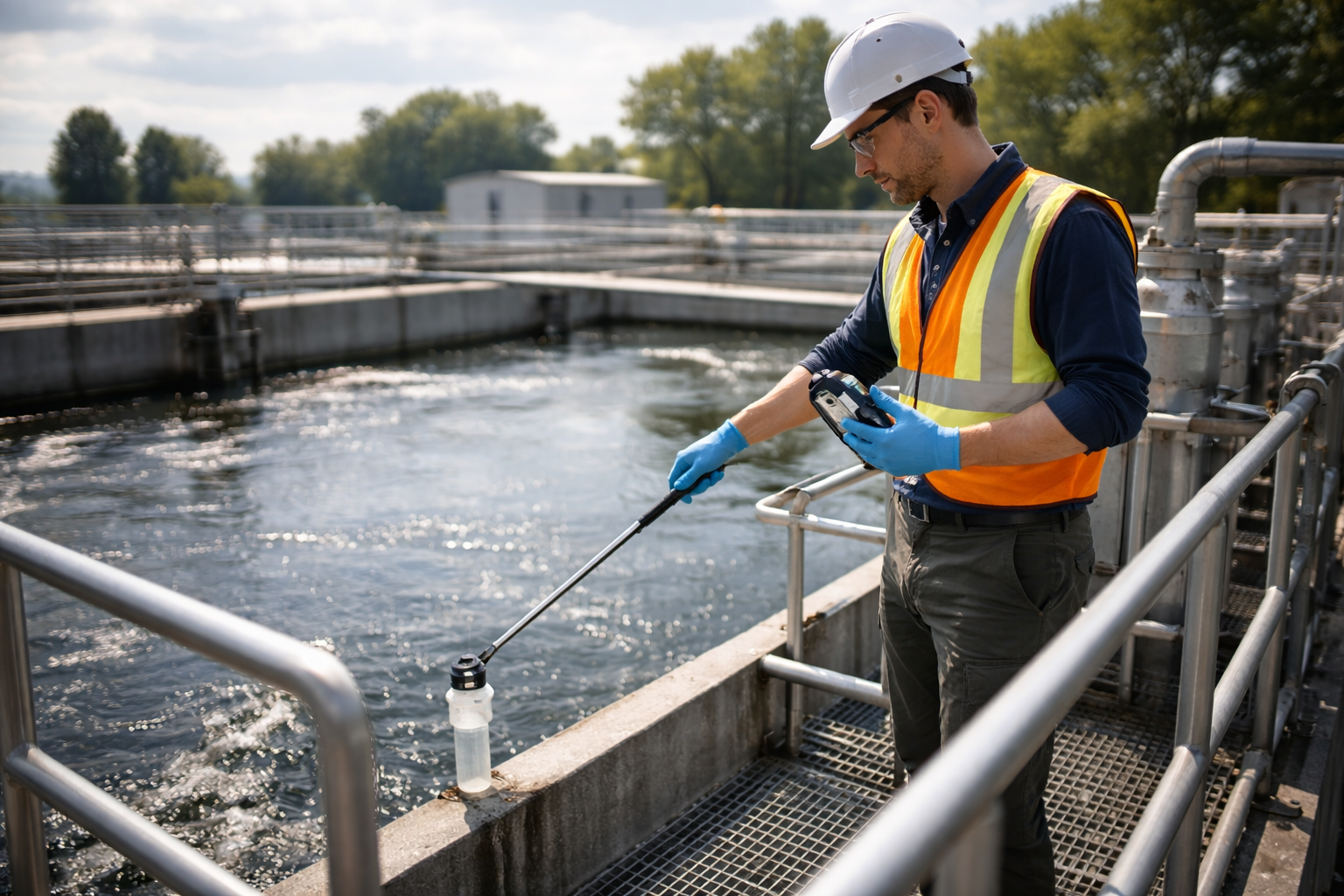
A waste water system check-up is a comprehensive evaluation of every component responsible for moving used water away from your home. A licensed plumber or wastewater technician inspects drain lines, sewer laterals, septic tanks, distribution boxes, leach fields, grease traps, and effluent pumps to verify they are structurally sound and functioning within local code requirements.
The inspection typically includes three phases:
Visual and functional assessment — The technician runs water through every fixture, checks for slow drainage, listens for gurgling sounds, and inspects visible pipes for corrosion or leaks.
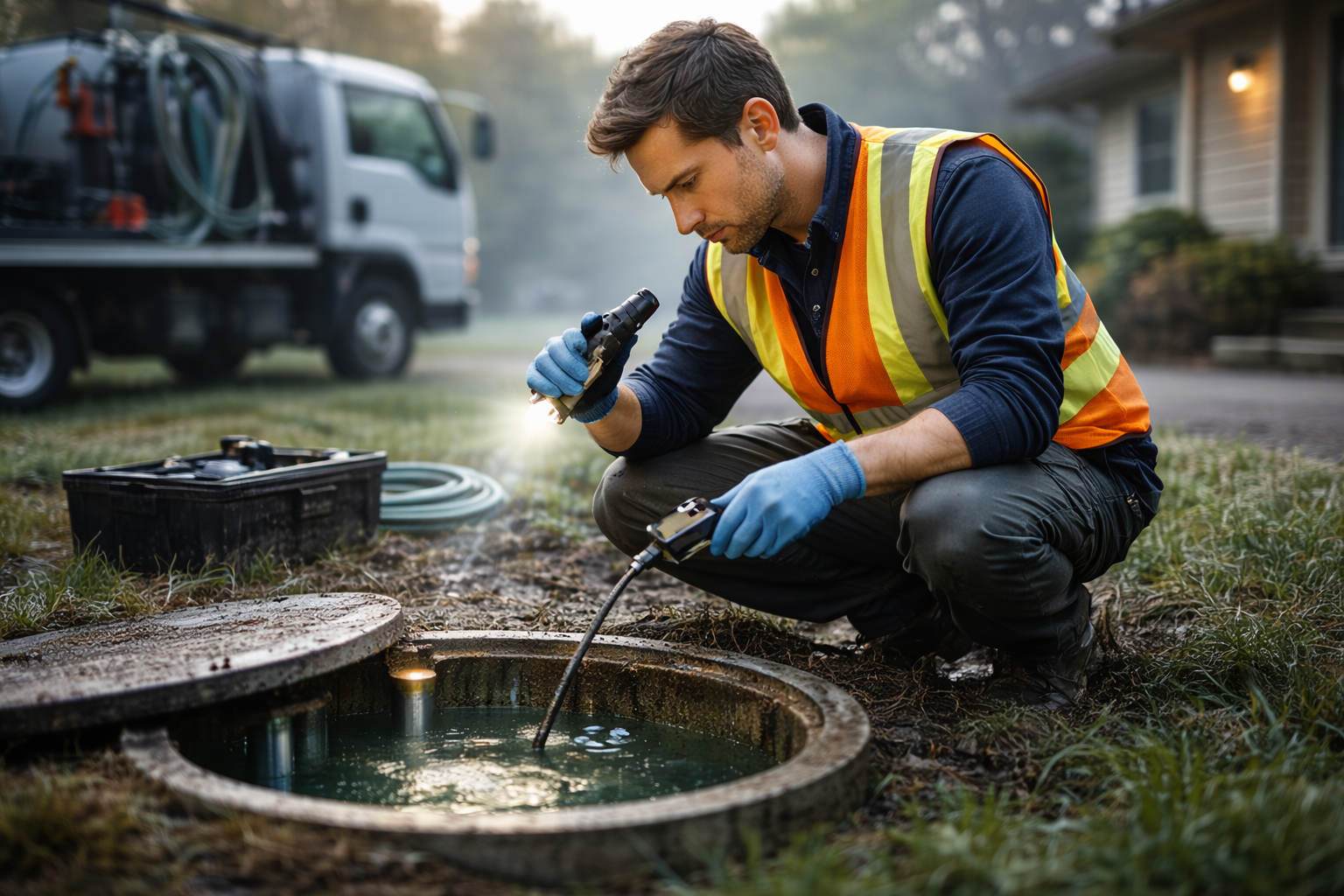
Camera line inspection — A waterproof CCTV camera is fed through the main sewer line to identify cracks, root intrusion, bellied pipe sections, and blockages that are invisible from the surface.
System performance testing — For septic systems, this involves measuring sludge and scum layers, testing effluent quality, and confirming that the drain field is absorbing water at the correct rate.
A thorough check-up produces a written report with photos or video, a condition rating, and prioritized repair recommendations.
How Often Should You Schedule a Wastewater Inspection?
The answer depends on your system type, the age of your home, and local regulations.
Municipal sewer connections — Homes connected to a city sewer should have a sewer line inspection every two years, or annually if the property has mature trees near the lateral line. Tree root intrusion is the leading cause of residential sewer blockages in homes older than 30 years.
Septic systems — The U.S. Environmental Protection Agency recommends septic tank inspections every three years and pumping every three to five years for a typical four-bedroom household. Properties with mechanical components such as effluent pumps or aerobic treatment units should be inspected annually.
New homebuyers — A pre-purchase wastewater inspection is essential. The American Society of Home Inspectors notes that standard home inspections do not include sewer scope or septic evaluation. Skipping this step has cost buyers anywhere from $3,000 for a simple line repair to over $30,000 for a full septic system replacement.
After major events — Schedule an unplanned check-up after earthquakes, significant ground settling, prolonged flooding, or any construction activity near your drain lines.
7 Warning Signs You Need a Waste Water System Check-Up Now
Ignoring early symptoms almost always leads to larger, more expensive problems. Call a professional if you notice any of the following:
1. Multiple slow drains throughout the house. A single slow drain usually means a localized clog. When two or more fixtures drain slowly at the same time, the obstruction is likely in the main sewer line or septic outlet.
2. Sewage odors indoors or outdoors. Foul smells near floor drains, cleanout caps, or your yard’s drain field area indicate that gases are escaping from a break in the line, a dried-out trap, or a failing septic system.
3. Gurgling sounds from toilets or drains. Air being displaced through water in a trap is a classic symptom of a venting issue or partial sewer blockage.
4. Water backing up into the lowest fixtures. When wastewater appears in a basement floor drain or ground-level shower, the main line is compromised.
5. Lush, unusually green patches of grass over the drain field. While it sounds harmless, this signals that untreated effluent is surfacing — a health hazard and a sign of drain field failure.
6. Standing water or soggy soil near the septic tank. This can indicate a tank that is overdue for pumping, a cracked baffle, or a saturated leach field.
7. Sudden spike in water bills without increased usage. A hidden leak in a wastewater line can allow groundwater infiltration that overloads the system and, in some municipal setups, increases metered sewer charges.
If you’re experiencing even one of these issues, delaying a waste water system check-up risks compounding the damage.
What Does a Professional Wastewater Inspection Cost?
Pricing varies by region, system type, and scope of work, but the following ranges reflect national averages as of recent industry data:
A basic sewer camera inspection for homes on a municipal connection typically runs between $125 and $500. A full septic system inspection, including tank location, pumping, and drain field evaluation, generally costs between $300 and $600. Comprehensive packages that combine camera inspection, line cleaning, and a written condition report tend to fall in the $400 to $900 range.
Compare those figures against the cost of emergency repairs. Sewer line replacement averages $3,000 to $25,000 depending on depth and length. A new septic system installation runs $10,000 to $35,000 or more, depending on soil conditions and local permitting. Routine inspections cost a fraction of a percent of those emergency scenarios.
What Happens During the Inspection: Step by Step
Understanding the process helps you prepare and ensures you get maximum value from the service.
Step 1 — Intake and history review. The technician asks about the age of the system, previous repairs, household size, water usage patterns, and any current symptoms. If you have prior inspection reports, share them.
Step 2 — Exterior survey. The technician locates cleanouts, tank access points, distribution boxes, and the drain field. They check for signs of settling, surface water, and vegetation anomalies.
Step 3 — Interior fixture testing. Every toilet, sink, shower, and floor drain is tested under load. The technician notes flow rates, drainage speed, and any cross-contamination between fixtures.
Step 4 — Camera inspection of the main line. A self-leveling sewer camera is inserted through the main cleanout. The technician records video, noting the pipe material, joint condition, grade changes, offset joints, root intrusion, grease buildup, and any foreign objects.
Step 5 — Septic-specific evaluation (if applicable). The tank lid is uncovered and opened. Scum and sludge layers are measured with a calibrated probe. The inlet and outlet baffles are inspected. Effluent quality is assessed visually and, in some jurisdictions, sampled for laboratory analysis.
Step 6 — Report delivery. You receive a written report — typically within 24 to 48 hours — that includes video or photo evidence, a condition grade, recommended repairs ranked by urgency, and estimated costs.
How to Choose a Qualified Wastewater Inspection Provider
Not all plumbing companies offer the same level of diagnostic rigor. Prioritize these qualifications when selecting a provider.
Licensing and insurance. Verify that the company holds a valid plumbing or wastewater contractor license in your state and carries general liability and workers’ compensation insurance.
Specialized equipment. Ask whether they use a self-leveling, color sewer camera with location tracking capability. Budget cameras without locator transmitters can identify a problem but cannot pinpoint its exact position underground — making subsequent repairs more invasive and expensive.
Septic certification. If you have a septic system, confirm that the inspector is certified by your state’s environmental or health department. Many states require separate licensure for septic work.
Transparent reporting. Request a sample report before booking. A quality provider delivers timestamped video, annotated photos, a clear condition summary, and itemized repair estimates — not a verbal “it looks fine.”
No-conflict policy. Some companies use free or low-cost inspections as a sales funnel for unnecessary repairs. Look for providers who charge a fair diagnostic fee and offer unbiased findings, whether or not you hire them for corrective work.
DIY Maintenance Between Professional Check-Ups
Professional inspections are irreplaceable, but homeowners can extend system life and reduce emergency risk with a few consistent habits.
Avoid flushing anything other than human waste and toilet paper. So-called “flushable” wipes are a leading cause of residential sewer clogs and municipal pump station failures. Keep cooking grease, coffee grounds, and food scraps out of drains. Use sink strainers in every kitchen and bathroom basin to catch hair and debris.
For septic system owners, spread laundry loads across the week rather than doing multiple loads in a single day to avoid hydraulic overload. Divert roof gutters and sump pump discharge away from the drain field. Never park vehicles or place heavy structures over septic components.
Document everything. Keep a log of pumping dates, inspection reports, and any repairs. This record dramatically simplifies future diagnostics and adds value if you ever sell your home.
Protect Your Home — Schedule Your Waste Water System Check-Up Today
A wastewater failure doesn’t send a calendar invite. It announces itself with a sewage backup on a holiday weekend or a collapsing sewer line the week before closing on your home sale. The homeowners who avoid these nightmares share one habit: they schedule regular inspections before problems become emergencies.
If it has been more than two years since your last sewer line evaluation — or more than three years since your last septic inspection — now is the time to act. Contact a licensed wastewater professional in your area to book a comprehensive waste water system check-up. Ask about bundled pricing for camera inspection plus preventive hydro-jetting, and request a written report you can keep on file.
Your home’s wastewater system is too critical and too expensive to replace to leave to guesswork. A single inspection today can save you thousands tomorrow.
Comments are closed.